Bookshelf Embroidery Design Review
First Impressions of the Bookshelf Machine Embroidery Design
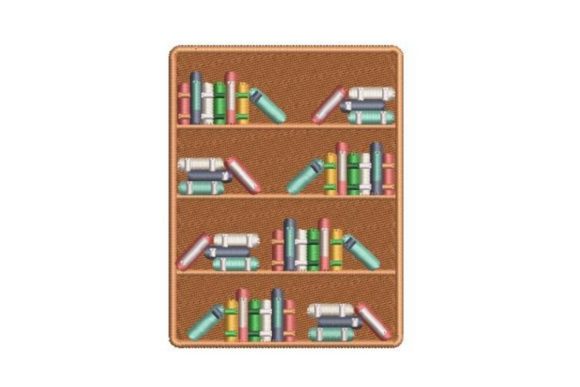
The Bookshelf machine embroidery design immediately presents itself as a classic and elegant option for small business merch. The title and description suggest a product that appeals to book lovers, which gives it a handmade and premium feel. This design is not just about decoration—it feels like a meaningful addition to any branded merchandise.
Its clean lines and structured layout convey a sense of professionalism, making it suitable for businesses that want to communicate sophistication and creativity in their branding. Whether you're running a boutique, café, or handmade shop, this design can subtly reinforce your brand identity through its visual appeal.
Real Business Use: Where Bookshelf Shines
The Bookshelf design has a wide range of applications across various products. For instance:
- Embroidered patches: Perfect for creating custom patches for staff uniforms or customer gifts. It adds a touch of class without being too bold.
- Staff uniforms: Can be used as a chest logo accent or sleeve detail, helping to establish a consistent brand presence across all team members.
- Caps and tote bags: Works well as a cap design or tote bag mark, giving customers a memorable and recognizable brand element.
- Apron embroidery: Adds a decorative yet professional look to aprons used in bakeries, florists, or creative studios.
- Product packaging accents: A subtle way to enhance the presentation of your handmade products or boutique items.
- Etsy branding: Ideal for handmade brands looking to create a cohesive visual theme across their product listings and packaging.
Whether you're working on custom apparel, small business merch, or commercial embroidery projects, this design brings a unique blend of playfulness and elegance that resonates with a wide audience.
Where to Use Bookshelf with Caution
While the Bookshelf design is versatile, there are certain scenarios where it may require careful consideration:
- Small patch sizes: The design might lose some of its clarity when reduced to very small dimensions. Always test it at the intended size before finalizing production.
- Cap fronts: Due to the limited space, the intricate details may not render well. Consider simplifying the design if using it on caps.
- Curved surfaces: While possible, curved surfaces like mugs or bottles may distort the design unless properly stabilized and hooped.
- Dark uniforms: Ensure the thread colors contrast well against dark fabrics to maintain visibility and impact.
- Frequent washing: Designs on items that need frequent washing should be tested for durability and color retention.
It’s also important to consider stitch density and thread colors when applying the design to different materials. Testing on real fabric with the appropriate stabilizer will help ensure the finished product meets quality expectations.
Impact on Brand Identity and Customer Engagement
The Bookshelf design contributes positively to brand identity by offering a consistent and refined visual element across your merchandise. Its classic appeal helps build customer trust and recognition, especially among those who value creativity and craftsmanship.
When used on handmade products or custom apparel, the design enhances the perceived product value and visual consistency of your brand. It also plays a role in increasing buyer engagement, particularly for niche markets like book lovers, creative professionals, or small business owners looking to stand out.
Incorporating this design into event merch, customer gifts, or printable mockups allows you to maintain a strong and unified brand image while appealing to your target audience.
Practical Embroidery Designer Notes
Before using the Bookshelf design in a commercial setting, here are some key steps to follow:
- Test in black and white first: This helps assess how the design looks on different fabrics and under various lighting conditions.
- Check small patch size: Ensure the design remains legible and visually appealing when scaled down.
- Review thread color contrast: Choose colors that complement your brand palette and work well on the intended fabric.
- Inspect spacing and outlines: Confirm that the design elements are spaced correctly and have clear outlines for better stitch definition.
- Confirm hoop size: Make sure the design fits within the hoop size you plan to use for production.
- Test on real fabric: Always do a sample run to see how the design performs on the actual material you’ll be using.
- Use proper stabilizer: Especially important for textured fabrics or items that require frequent washing.
- Create a printable mockup: Presenting a mockup to clients helps them visualize the final look before committing to production.
- Compare beside other design assets: Ensuring visual consistency across all branding materials is crucial for a cohesive brand image.
- Confirm commercial licensing: Always check the terms of use to ensure the design is suitable for your intended business application.
By following these guidelines, you can ensure that the Bookshelf design is used effectively in your digital embroidery file projects and contributes positively to your brand identity and small business merch.