Staircase Embroidery Design Review
First Impressions of the Staircase Design
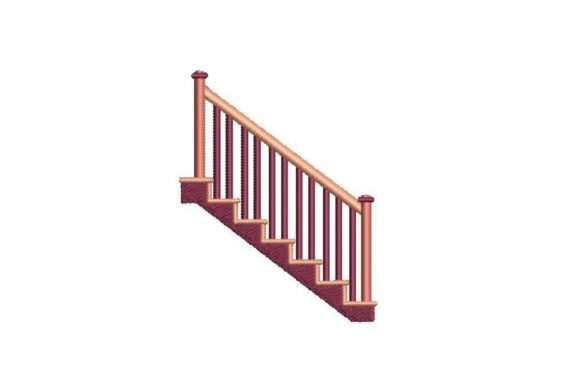
The Staircase embroidery design immediately stands out as a cute and versatile addition to any collection. Its name suggests a simple, geometric form, yet it carries a subtle charm that can be interpreted in various ways. Whether viewed as a symbol of progress or a whimsical motif, the Staircase feels farmhouse and minimal, with clean lines and a soft aesthetic that appeals to a wide range of tastes.
This machine embroidery design is ideal for those looking to add a touch of elegance without overwhelming their handmade products. The simplicity of the Staircase allows it to blend well with other decorative elements, making it a great choice for craft fair products like tote bags, aprons, and tea towels.
Performance on Various Craft Fair Products
When considering where the Staircase would shine, several product types come to mind. On a tote bag design, it acts as a subtle accent that adds character without overpowering the fabric. For an apron embroidery application, the Staircase could be placed near the pocket or waistband, giving the piece a handmade quality that resonates with customers.
Tea towel embroidery benefits from the Staircase as well, especially when paired with muted thread colors. It adds visual interest without clashing with the natural fibers of the fabric. As an embroidered patch, the Staircase becomes a small but impactful detail that can be sewn onto caps, pouches, or even market bags.
For pillow covers or market bags, the Staircase serves as a focal point that draws attention. When used on handmade gifts, it enhances the perceived value of the item, making it more appealing to Etsy sellers and boutique makers alike.
Practical Selling and Production Points
The Staircase is easy to understand at a glance, which is crucial for craft fair products. It works equally well as a small accent or a larger focal design, depending on how it's placed on the finished product. This flexibility makes it a valuable asset for small shop products and commercial embroidery applications.
Photographically, the Staircase performs well, especially when using high-quality digital embroidery files and proper lighting. It looks great on printable mockups, helping Etsy sellers showcase their designs effectively online.
As for batch production, the Staircase seems repeatable due to its structured design. However, careful consideration should be given to stitch density and thread colors to ensure consistency across multiple items. A good stabilizer is also essential, particularly when working with textured fabrics or dark-colored materials.
Careful-Use Notes and Considerations
While the Staircase is generally easy to work with, there are a few things to keep in mind. Dense stitch areas may require extra care, especially when using thick fabric or textured towels. Tiny details or small lettering might not translate well if the design is scaled down too much, so it’s important to test the embroidery file on scrap fabric before finalizing production.
Curved surfaces like cap surfaces may challenge the design’s clarity, so adjustments may be necessary. Dark fabric backgrounds can also affect visibility, so checking thread contrast is recommended to maintain the design’s integrity.
Visual Appeal and Booth Display Strength
The Staircase contributes positively to the visual appeal of any product it adorns. It adds a sense of premium quality that elevates the overall look of handmade products. In a booth setting, it helps create a cohesive theme, especially when used consistently across different items like booth samples or finished product displays.
From a brand consistency perspective, the Staircase can be a recurring motif that reinforces brand identity. It encourages buyer engagement by offering a familiar yet charming design that customers can easily recognize and appreciate.
Embroidery Designer Notes for Success
Before moving forward with production, I recommend testing the Staircase on scrap fabric to see how it behaves under different conditions. Check thread colors against your fabric choices to ensure they complement each other. Review the spacing and confirm the hoop size needed for accurate stitching.
Inspect the stitch density to avoid overloading the fabric, and use the right stabilizer to prevent puckering. Creating at least one real mockup will give you a better idea of how the Staircase looks on actual products. Compare fabric colors carefully, and always confirm commercial licensing before selling finished products to avoid legal issues.
With these considerations in mind, the Staircase has the potential to become a standout craft fair product that attracts attention and drives sales. Whether used on handmade gifts or small shop products, this design offers versatility, charm, and practicality that aligns well with the needs of crafters and entrepreneurs alike.